Central institution
IIOHR
Education, Training and Mentorship
- Clinical education
- Live patient training
- Career pathways
- Competency development
- Faculty guidance
- Continuing mentorship
International Institute of Hair Restoration
Clinical education, supervised live patient experience and continuing professional development for doctors, nurses and clinic teams.
Real patients. Experienced mentors. Ongoing clinical support.
Supported by FiOS clinical infrastructure, HairAudit quality review and hair-loss science from the Hair Longevity Institute.
Pathways
Whether you are entering hair restoration, developing advanced clinical skills or building an entire service, IIOHR can help you identify the right development pathway.
Develop clinical judgement, procedural capability and leadership
Explore Doctor TrainingBuild surgical, technical and patient-care capability
Explore Nurse TrainingDevelop practical support, workflow and patient-care skills
Explore Clinical Assistant TrainingTrain a coordinated workforce and build consistent clinical systems
Explore Clinic TrainingRefine case planning, outcomes and clinical standards
Explore Mentorship and AuditingDevelop teaching, assessment and leadership capability
Explore Educator PathwaysFlagship Programme
The IIOHR Clinical Immersion Programme combines structured education, supervised live patient participation, competency review and continuing mentorship.

Why IIOHR
IIOHR is designed to develop safe, thoughtful and accountable professionals—not simply teach isolated procedural steps.
01
Training takes place around real patient care and clinical decision-making.
02
Participants learn assessment, planning, procedure workflow, aftercare and long-term review.
03
Progress is guided by readiness, demonstrated ability and professional scope.
04
Support may continue as participants begin managing their own cases.
05
Cases and outcomes can be reviewed to support continued improvement.
06
Education includes hair-loss progression, scalp health and preservation of existing hair.
Clinical model
01
Understand diagnosis, suitability, donor capacity and patient goals.
02
Protect existing hair and incorporate long-term treatment planning.
03
Develop responsible surgical and non-surgical strategies.
04
Participate safely under appropriate supervision.
05
Maintain photography, procedure records and clinical evidence.
06
Review healing, technique, decisions and outcomes.
07
Apply feedback to future patients and clinical systems.
Connected clinical model
IIOHR is supported by a wider clinical ecosystem designed to connect education with planning, documentation, auditing and long-term hair management.
IIOHR delivers the education and clinical development. FiOS, HairAudit and the Hair Longevity Institute support planning, documentation, auditing, research and long-term hair management.
Central institution
Education, Training and Mentorship
Planning, Workflow and Documentation
Case Review and Outcome Intelligence
Hair-Loss Science and Long-Term Preservation
Hair longevity
Successful hair restoration requires an understanding of diagnosis, disease progression, scalp health, medical management, donor ageing and the preservation of existing hair.
The goal is not only to train practitioners to perform a procedure, but to help them manage the patient’s complete hair-restoration journey.
Training journey
01
Build the clinical knowledge needed before live patient participation.
02
Watch experienced teams assess, plan and deliver patient care.
03
Take part under supervision as readiness and scope allow.
04
Learn through real clinical environments and patient journeys.
05
Review demonstrated ability, judgement and professional scope.
06
Continue improving through case review and ongoing guidance.
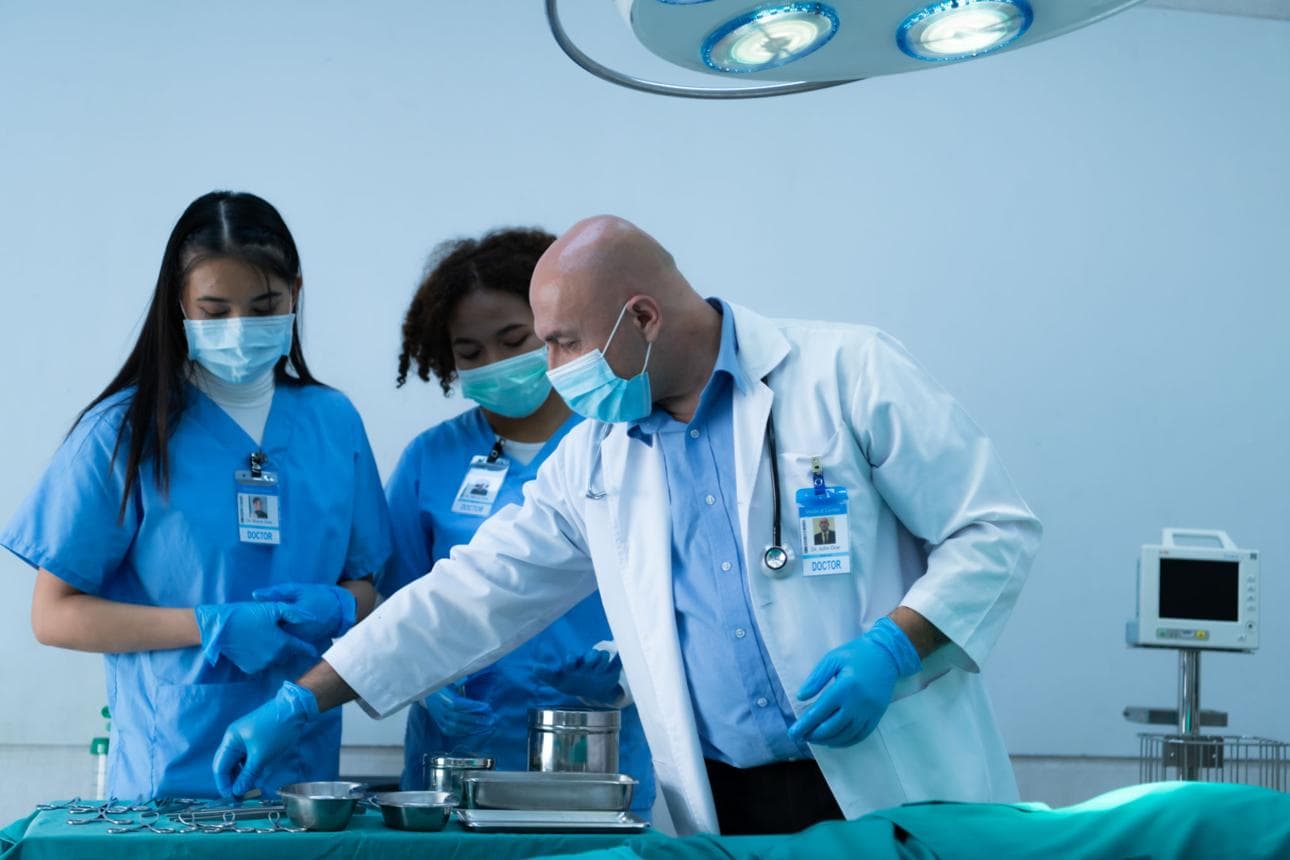
Doctor Training

Nurse Training
Continuing support
Some of the most important learning begins when practitioners start assessing and managing their own cases. IIOHR provides pathways for continued guidance, case review and professional development.
Individuals and clinics
IIOHR can support individual practitioners, established surgical teams, new clinics and institutional partners.
Faculty
IIOHR education is shaped by practitioners with experience across hair-loss diagnosis, surgery, nursing, clinical operations, research, patient care and professional training.
International Educator
Trichology · Surgical quality systems · Competency development
Surgical Faculty
Live patient teaching · Advanced surgical training · Procedural education
Physician Education
FUE surgery training · Implantation protocols · Physician education
Research & standards
IIOHR connects practical training with research, auditing, patient safety and ongoing clinical improvement.
Institutional trust
FAQ
Clear answers for doctors, nurses and clinic teams exploring IIOHR training.
IIOHR training is designed for doctors, nurses, clinical assistants, consultants and clinic teams entering or advancing within hair restoration medicine.
Admissions
Tell us about your professional background, current experience and goals. We will help identify the pathway most suited to your clinical development.
Applications are reviewed individually.
IIOHR
Clinical education, live patient experience and continuing professional development for doctors, nurses and clinic teams in hair restoration medicine.
Apply to IIOHR →Training
Clinical Ecosystem
© 2026 IIOHR. All rights reserved.